
🧪 Knowledge Hub · Joint Health Series
Glucosamine Knowledge Hub
Welcome to the Glucosamine Knowledge Hub – a curated collection of in-depth articles on glucosamine ingredients, their origins, benefits, safety profile, and applications in joint health formulations. This hub complements our Joint & Bone Health Ingredients center page and is designed for brand owners, formulators, and bulk ingredient purchasers.
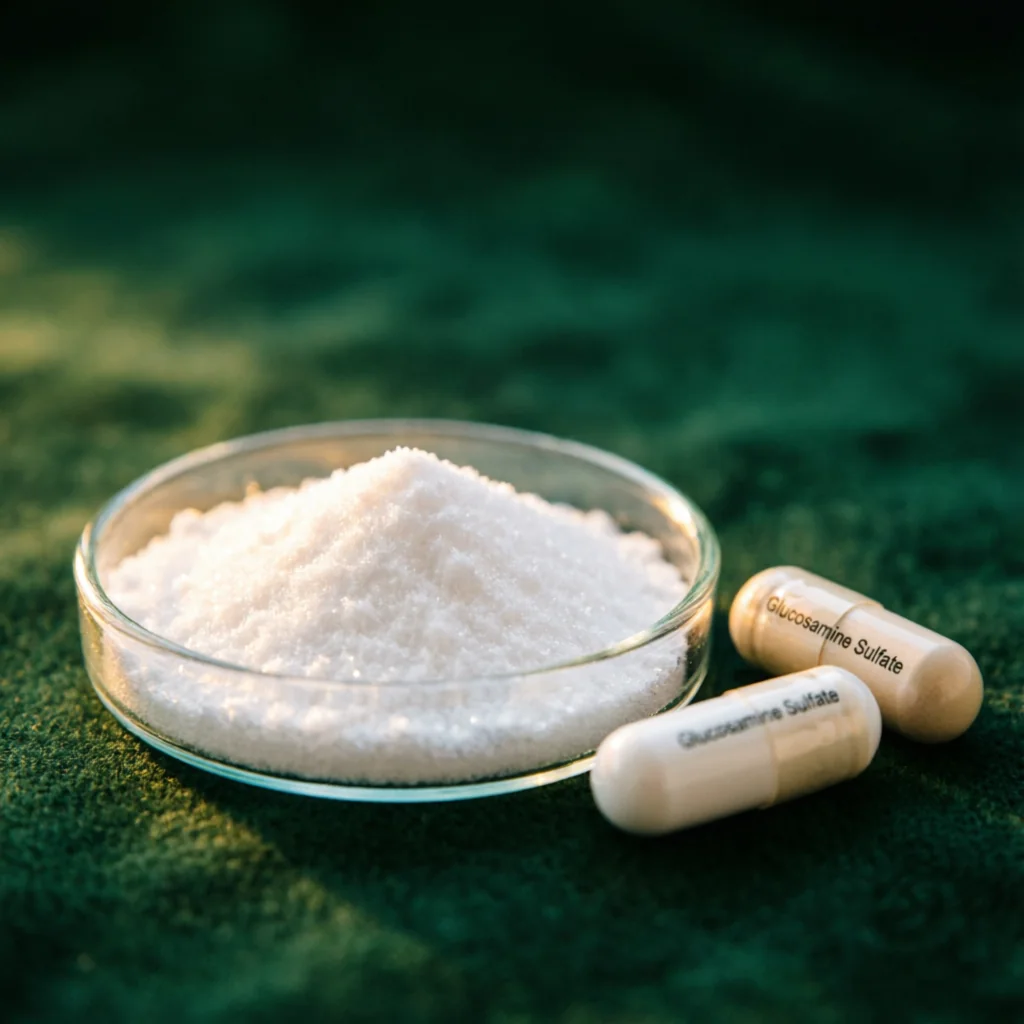
🔬 Raw glucosamine · high-purity crystalline powder
10In-depth articles covering forms, efficacy, safety & sourcing
3Commercial forms — HCL, sulfate & N-acetyl-glucosamine
2Sourcing routes — shellfish-derived & vegan fermentation
01 · Forms 02 · Origins 03 · Efficacy 04 · Safety 05 · B2B 06 · Library
— Section 01 —
Key Glucosamine Forms and Their Roles
Glucosamine exists in several commercially important forms, each with distinct characteristics and applications in dietary supplements and functional foods.
Glucosamine HCL
Glucosamine HCL (hydrochloride) is a highly concentrated, stable form of glucosamine widely used in capsules, tablets, and powder formulations. It offers high active content, good flowability, and broad compatibility with different delivery systems.
👉 What Is Glucosamine HCL?
👉 Why Glucosamine HCL Is Becoming the Preferred
Glucosamine Sulfate
Glucosamine sulfate is the form most frequently used in clinical studies on osteoarthritis and joint health. It is often combined with sodium or potassium salts and is known for its supportive role in cartilage maintenance and mobility.
N-Acetyl-Glucosamine (NAG)
N-Acetyl-Glucosamine (NAG) is an acetylated derivative of glucosamine with applications beyond joint health, including gut barrier support and skin hydration. It is commonly used in beauty-from-within and digestive health formulations.
📊 Comparison of Glucosamine Forms
| Aspect | Glucosamine HCL | Glucosamine Sulfate | N-Acetyl-Glucosamine (NAG) |
|---|---|---|---|
| Typical Use | Joint health supplements, powders, capsules | Clinically studied joint health formulations | Gut health, skin, specialty formulations |
| Active Content | High (concentrated glucosamine) | Moderate (includes sulfate and counter-ions) | Moderate (acetylated form) |
| Stability | Excellent, good shelf-life | Good, widely used in tablets/capsules | Good, often used in premium products |
| Main Market Positioning | Preferred raw material for modern joint formulas | Traditional, clinically referenced ingredient | Advanced, multi-functional health ingredient |
— Section 02 —
Origins and Natural Sources of Glucosamine
From traditional shellfish hydrolysis to modern vegan fermentation — where glucosamine really comes from.
🏭 Industrial Origins
Commercial glucosamine is traditionally produced from shellfish shells (shrimp, crab, lobster) via hydrolysis, but modern manufacturing increasingly uses fermentation-based, vegan-friendly processes. This shift supports allergen-free and sustainable supply chains. Explore more: Where Does Glucosamine Come From?
🍲 Dietary and Natural Sources
While supplements provide standardized doses, certain foods can support overall joint health:
🦐 Shellfish and bone broths
🥣 Collagen-rich soups and stews
🌱 Plant-based broths and functional beverages
For a practical overview, see: How to Get Glucosamine Naturally – Top Sources for Joint Health.

🌿 Fermentation-derived · vegan-friendly production
⚖️ Shellfish vs. Fermentation-Derived Glucosamine
| Aspect | Shellfish-Derived | Fermentation-Derived (Vegan) |
|---|---|---|
| Source | Shrimp, crab, lobster shells | Microbial fermentation, plant-based substrates |
| Allergen Considerations | Requires shellfish allergen labeling | Allergen-free, suitable for vegan products |
| Market Positioning | Traditional, cost-effective | Premium, sustainability-focused |
| Regulatory & Claims | Standard joint health claims | Vegan, allergen-free, sustainability claims |
— Section 03 —
Efficacy in Joint Health and Arthritis
What the research landscape says about glucosamine for cartilage, comfort, and mobility.

🦴 Glucosamine and Arthritis Support
Glucosamine has been studied for its role in supporting cartilage structure, reducing discomfort, and improving mobility in osteoarthritis populations. Many formulations use glucosamine as a long-term joint support ingredient.
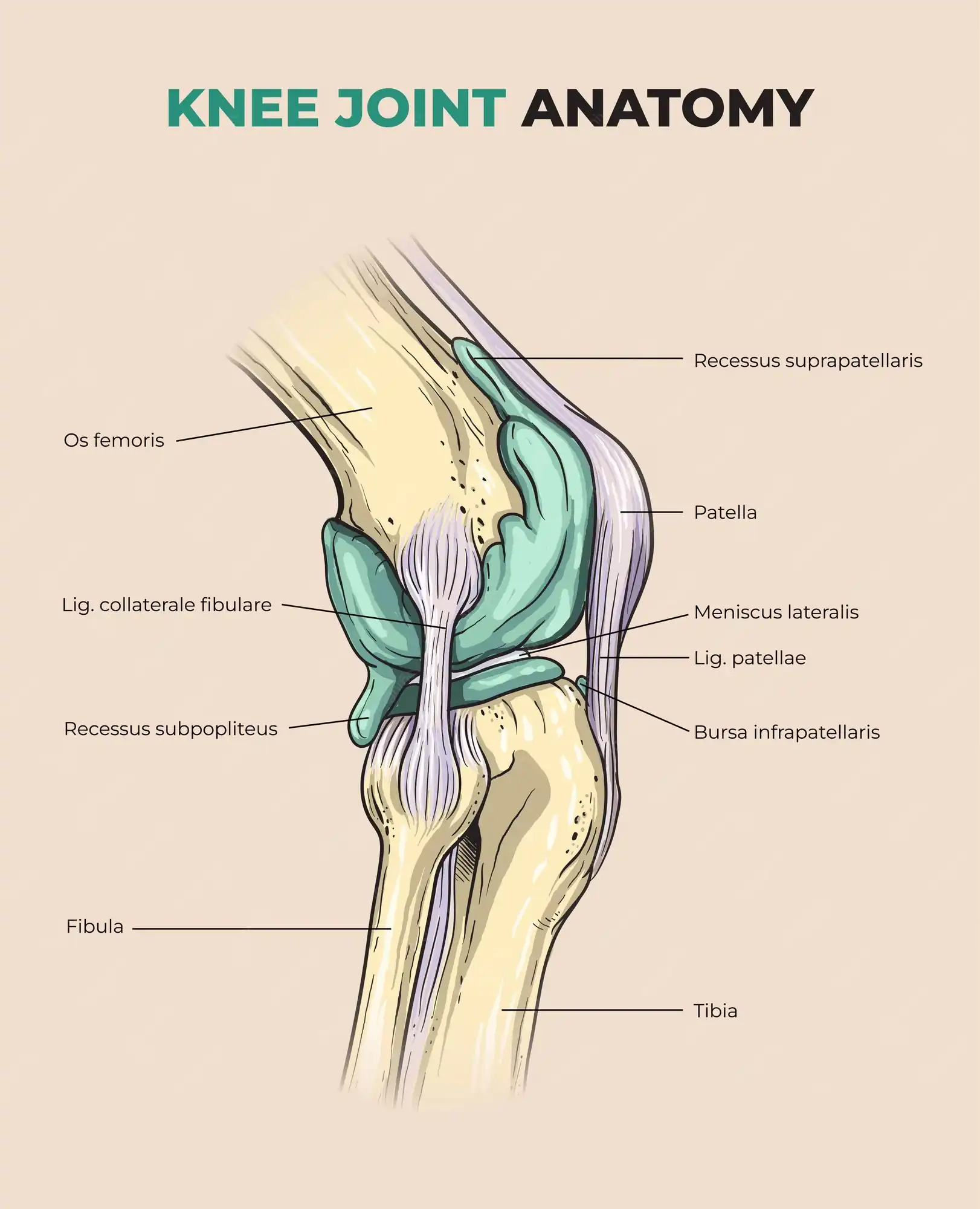
💊 Glucosamine and Chondroitin Combinations
Glucosamine is frequently combined with chondroitin to provide complementary support for cartilage and joint function. While study outcomes vary, this combination remains popular in global joint health markets.
— Section 04 —
Safety, Metabolism, and Common Questions
Evidence-based answers to the questions formulators and purchasers ask most.
Does Glucosamine Raise Blood Sugar?
Clinical data generally indicate that standard supplemental doses of glucosamine do not significantly impact fasting blood glucose or HbA1c in most individuals, including those with type 2 diabetes. For B2B purchasers, raw material purity and manufacturing quality are key safety considerations.
Can Glucosamine Cause Weight Gain?
Human studies have not established a direct link between glucosamine supplementation and weight gain. Observed changes in body weight are more closely related to diet, lifestyle, and overall energy balance than to glucosamine itself.
🛡️ Key Safety Considerations at a Glance
| Question | Summary Answer | Relevant Article |
|---|---|---|
| Does glucosamine raise blood sugar? | Standard doses show minimal impact on blood sugar markers in most individuals. | Blood Sugar Guide |
| Does glucosamine cause weight gain? | No clear evidence of direct weight gain; lifestyle factors are more influential. | Weight Gain Article |
| Is shellfish-derived glucosamine safe for allergy-prone consumers? | Requires clear allergen labeling; vegan options avoid shellfish concerns. | Origins Article |
— Section 05 —
B2B Perspective: Why Glucosamine HCL Is Preferred
For bulk ingredient purchasers and OEM/ODM manufacturers, glucosamine HCL offers advantages in formulation flexibility, label-friendly dosing, and global supply chain stability. Its high active content and robust stability make it a preferred choice in modern joint health products. Learn more: Why Glucosamine HCL Is Becoming the Preferred.

🏭 GMP-grade production · stable global supply
✅ Formulation flexibility across capsules, tablets & powders
✅ Label-friendly dosing with high active content
✅ Robust stability & excellent shelf-life
✅ Stable global supply chain for OEM / ODM programs
— Section 06 —
📚 Glucosamine Article Library
Explore the full set of in-depth articles in this Knowledge Hub.
Continue Exploring
Glucosamine is one pillar of our joint health portfolio — discover the full range of ingredients for joint & bone formulations.
🦴 Joint & Bone Health Ingredients Center →